
Winter brings with it rain, snow and wind, but you can’t always avoid them. These weather events can create more dangerous conditions than usual, but you can prepare your vehicle before you go. You can also drive more deliberately and cautiously, and this is what you will learn in this guide.
Essential Tools for the Winter Roads
When there is snow and ice on winter roads, you are advised to carry essential tools to make sure that you can confront conditions that may present themselves. For example, in the event that your vehicle breaks down, jumper cables, a small bag of sand for wheel traction, a snow shovel and tire chains will help you get your car moving again. If you are forced to wait for several hours for help, warm blankets, food, water and a flashlight will make these moments more comfortable for you.
In addition to the above, plan to carry flares, a cellular phone and a radio to maintain contact when you are in an isolated area. An ice scraper is also a must to maintain your visibility while you drive. Equipping your vehicle with these essentials will prevent your trip from turning into a life-threatening adventure.
Preparing Your Car Before You Head Out into the Snow
Before you set out on the road, make sure that the brakes, exhaust system, heater, defroster and windshield wipers are in working condition. To prevent an icy windshield, add concentrated windshield washer fluid to your vehicle’s windshield washer fluid reservoir.
Ensure that your tires are inflated properly and that the treads are in good condition. Check that your tire chains fit your tires properly. If you do not know how to install them, now is the time to learn. The antifreeze will also need to be in proper condition.
How to Drive in the Snow
You must allow yourself more time than you ordinarily would when you are traveling in the snow. During the winter, you may encounter icy roads or storms that require additional precautions while you are driving.
It is best to only travel during the daytime and to have another person with you who can take the wheel when you are tired. Before you leave, tell a friend or family member where you will be going.
The best plan is to stay off the back roads and only travel on the main roads.
When you start, fill your gas tank. Always make sure that you have a full tank in case you are caught in heavy traffic.
How to Drive on Icy Roads
Drive at slower speeds than you usually do so you have ample time to stop when needed. In fact, states, including Washington, have laws that say you must drive at a speed safe for the current conditions and to avoids collisions, regardless of the actual speed limit. On icy roads, you need to allow at least three car lengths of space ahead of you.
When braking, do so gently. If your wheels lock up while you are doing this, slowly take your foot off the brake.
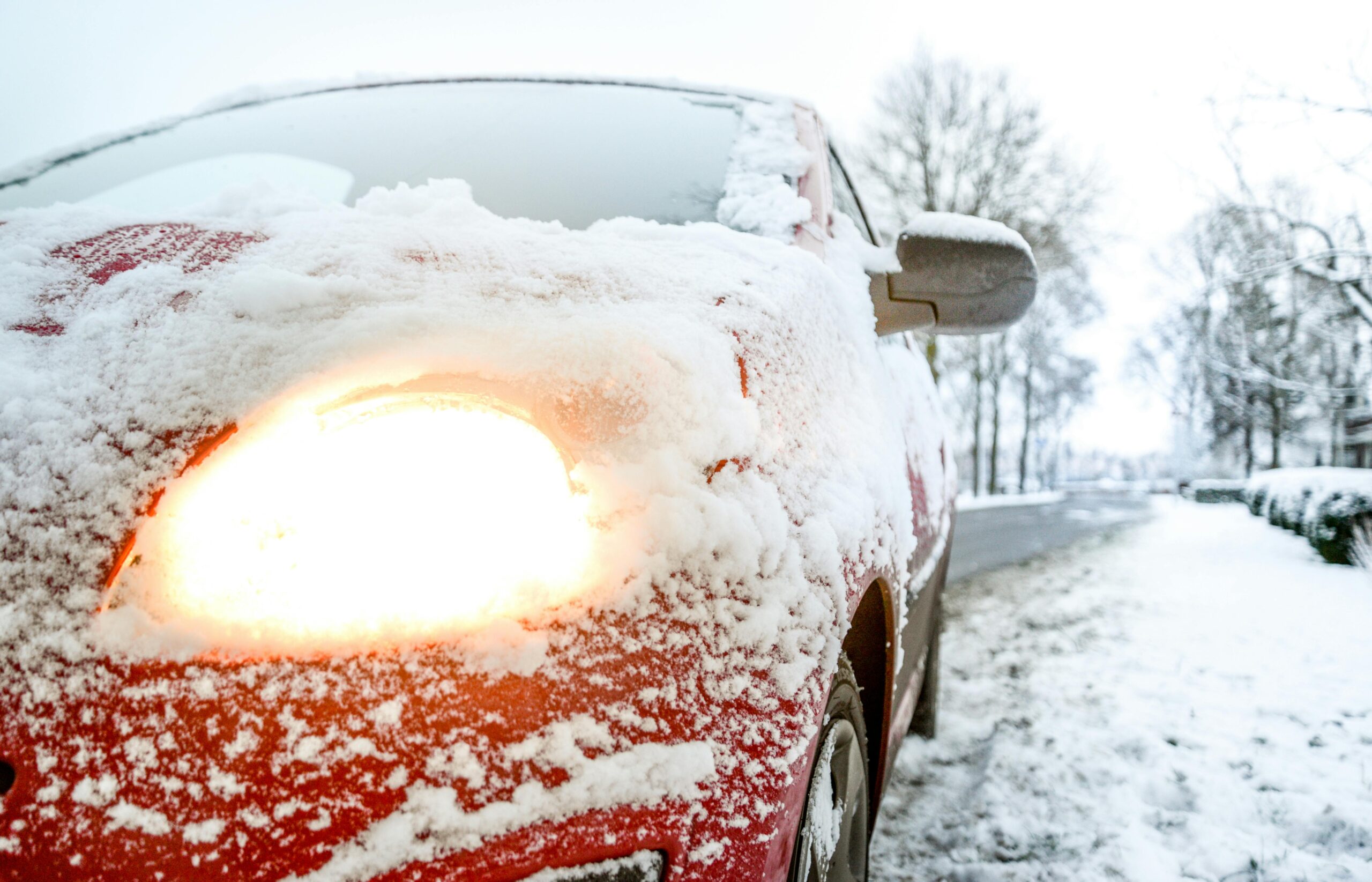
Turn your headlights on so that other motorists can easily see you.
The time for cruise control or overdrive is not when you are on an icy road, so refrain from using them.
Infrequently traveled roads, bridges and overpasses are the first ones to freeze. You can’t relax if the temperatures are above freezing because there can still be ice on the roads in shady areas.
Be cautious when passing a snowplow or a sanding truck. You can expect the road ahead of these vehicles to be worse than the road behind them. When traveling behind them, keep a safe distance. If you have the opportunity, you may pass them but make sure that you know which way the snow is blowing so that your vehicle is not covered with snow when you try to pass.