
Making sure that your vehicle is safe to drive on public roads is one of your biggest responsibilities as a driver. Whether you drive a small commuter car or an oversized truck, you depend on the brakes, tires and lights to help you and everyone else stay safe. Unfortunately, bad brakes contributed to 22% of car accidents that are associated with vehicle defects, and tire issues also played a role in collisions. Knowing how to maintain these safety features on your vehicle can save you from costly liabilities and injuries.
Plan Annual Brake Inspections
Faulty brakes leave you without a reliable way to stop your vehicle without running into objects or people in your path. Ideally, you should have your brakes checked by a professional at least once a year. You can time this with other types of vehicle maintenance, such as tire rotations, to make it easier to remember.
Check the Tire Pressure and Tread Regularly
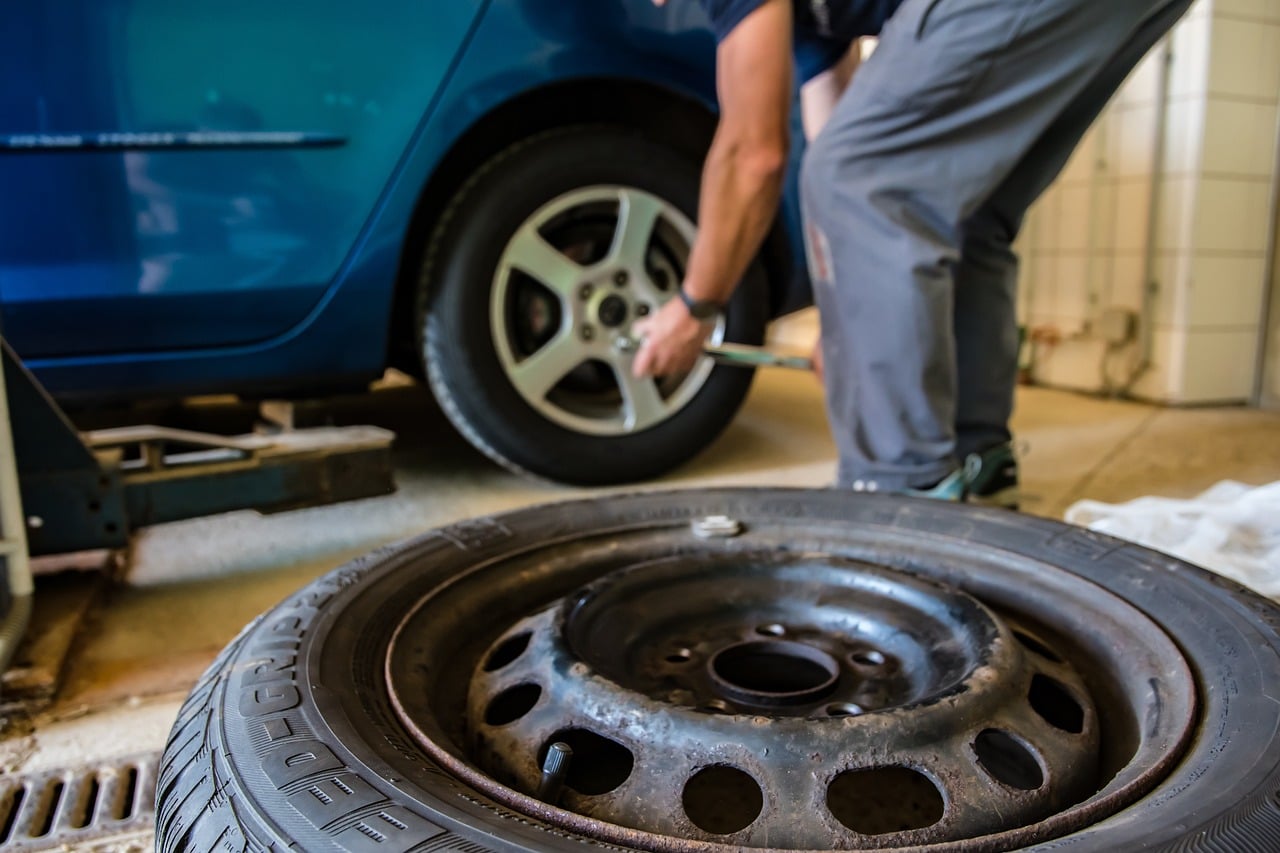
Even good brakes may struggle to stop a car with bald tires. Car tires have tread that helps to generate traction. Over time, the rubber wears down and can cause the tires to be unable to grip the pavement. You also need to maintain proper air pressure in your car tires to ensure that they roll across the road surface properly.
Take time to check the tire pressure on your car frequently. You might opt to do this when you’re getting gas, so you can fill the tires up as needed. If you notice uneven wear on the tires or low tread depth, then arrange for repairs or replacement. Keep in mind that you may also need to adjust the air pressure during certain times of the year. For instance, the air pressure can often drop seemingly overnight during periods of extremely cold weather.
Make Sure the Exterior Lights Function Properly
If you’ve ever been surprised by someone changing lanes without using their blinker, then you know how important exterior car lights are for communication among drivers. You also rely on the headlights to find your way in the dark and warn others that you are driving in their direction. Brake lights also serve as important warnings that your vehicle is slowing down.
Many modern vehicles have dashboard warning lights that come on when the turn signals and brake lights are no longer working. Your turn signal may also give auditory warnings, such as a faster click, to let you know to change the bulb. If your car doesn’t give a warning, then you’ll want to check the lights yourself.
You can use mirrors to see if the headlights and taillights are working. Or, you might recruit a friend or family member to watch as you use each light to make sure they are visible. Once you’re satisfied that all of the lights work, remember to clear them off. Mud, frozen precipitation and even dust can reduce their visibility.
Learn to Listen and Look for Warning Signs
Vehicle defects and malfunctions are a common cause of car accidents that can result in injuries and property damage. A squeaky brake may not always be cause for alarm, but getting new noises checked out could reveal safety issues. You’ll also want to make sure to drive without the stereo on to hear knocks, squeals and other sounds that signal potential problems. Keeping a close eye on the dashboard can also reveal warning lights that let you know if the tire pressure is low or if you need to add more brake fluid.
Depending on where you live, you may need to plan for annual safety inspections before you can register your vehicle. Or, you might need to create time to do one yourself. In either case, maintaining the safety features on your vehicle can help you avoid being held responsible for collisions on the road. Make sure to keep records of any maintenance or replacements you do over time to further demonstrate your responsibility as a driver.