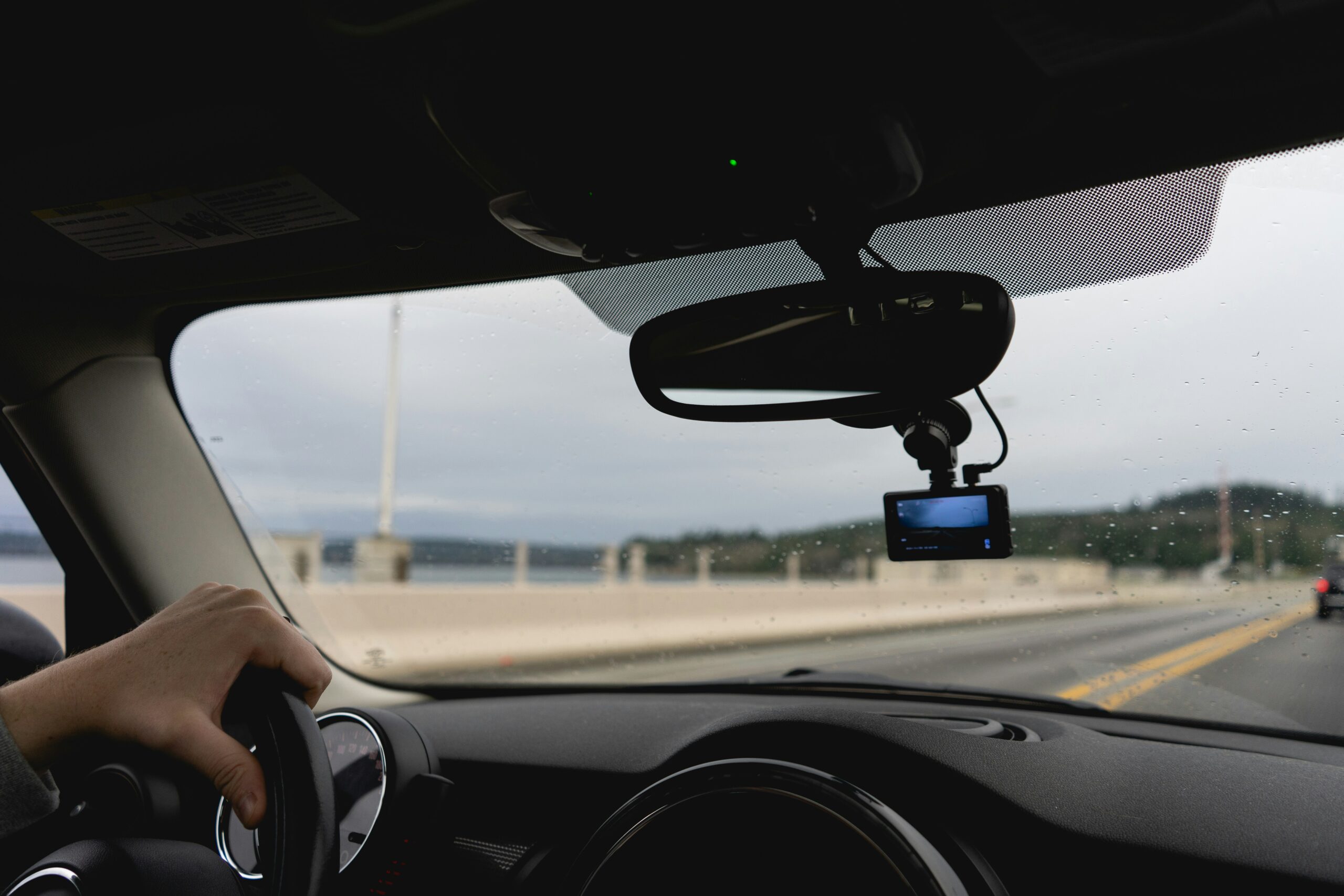

The dashcam is a valuable evidence-collector, and it is a completely unbiased witness. The footage clearly shows what occurred before, during and after a car collision and can be invaluable in determining which motorist is liable. However, dashcam evidence is not always accepted, so drivers must ensure they set things up the right way before they submit this evidence to the court.
In most cases, dashcams face forward, but if state law allows it, they can be placed at an angle that captures the view behind the vehicle. Ensuring that the dashcam is on when the vehicle is not in motion allows it to capture the actions of a hit-and-run driver. A dashcam can record a limited amount of footage, so you will need to save it and store it if you need it later.
The Benefits of Dashcam Evidence
A person can give eyewitness testimony about the events that led up to a car collision, but dashcam evidence is even better Instead of hearing one person’s account, a dashcam gives the court visual footage of these same events. Then, the judge, the plaintiff and the defendant can clearly see what occurred at the time of the accident. It is the best evidence because it cannot be biased in favor of the plaintiff or the defendant.
Traffic Violations
The dashcam captures what occurs in front of it, and this can be the at-fault party running a red light, failing to yield, speeding or driving recklessly. Therefore, the at-fault driver’s act of running the red light and slamming into the plaintiff’s vehicle will be clearly seen on the footage.
Impaired or Distracted Driving
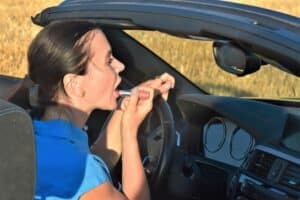
The dashcam will have its eye on a vehicle that is swerving or moving erratically. If the field sobriety test shows that the at-fault driver was under the influence of substances, the dashcam evidence of his or her vehicle swerving will add to the laboratory evidence.
Dangerous Road Conditions
Along the trajectory, the dashcam can capture the conditions of the road, including ice that is covering the road, debris that is blocking the road and potholes. This evidence demonstrates that the conditions of the road partially or fully contributed to the collision.
Rear-End Collisions
If a driver rear-ends the vehicle in front, he or she can claim that the vehicle in front suddenly stopped. The dashcam disputes this claim. People would be able to see that the plaintiff stopped for a legitimate reason and that the collision occurred because the at-fault driver was following too closely behind the plaintiff’s car.
Disputes
The at-fault driver can also tell a fabricated story, but a dashcam shows the actions of the plaintiff and the defendant. It is the best evidence that people can present that resolves disputes.
Beware of State Laws
If your dashcam records sound, you will need to make sure that you follow your state’s audio consent laws.
The dashcam must be legally mounted to the dashboard but ensure that it doesn’t impede your view of the windshield.
Creating Dashcam Evidence That Is Accepted in Court
The best way to have dashcam footage accepted in court is to do the following:
- Do not alter the file in any way. Leave the creation date, GPS and timestamps in place as they were originally.
- Do not fail to back up the file, but never trim or edit it. If any of the footage becomes altered, make sure that you throw this away.